Product added to cart
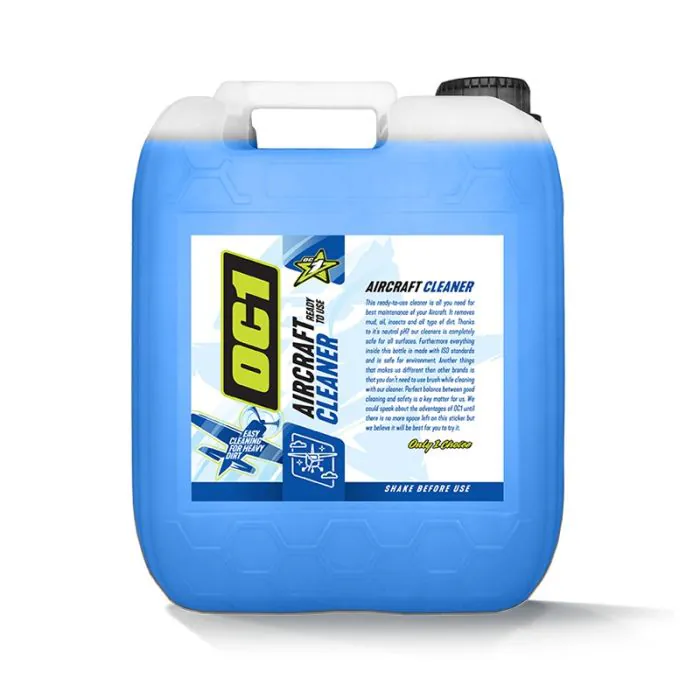
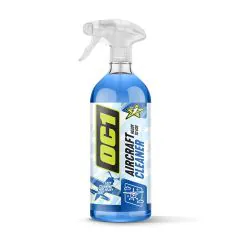
OC1 Aircraft Cleaner 5l
€70.00
Out of stock
SKU
A190/005
Price per 1 l: €14.00
Canister for professionals
Economical and efficient
Professional efficiency for intensive use. OC1 Aircraft Cleaner 5 l is an economical solution for flight schools, service centres and clubs. Nanotechnology removes the toughest dirt without damage risk. Ready to use, safe for all materials. One canister equals approximately 80-100 washes for your training fleet.
- Professional packaging
- Fleet efficiency
- Nanotechnology
- 28% savings
 OC1 Aircraft Cleaner 950ml Previous
Economical fleet cleaning
Flight schools, clubs and aviation service centres need reliable solutions that combine effectiveness with economy. OC1 Aircraft Cleaner in the 5 l container is the answer to professional technical service requirements, where both cleaning quality and operating costs matter. One canister secures training fleet maintenance for an entire season without the risk of running out at the worst possible moment.
Formula tested by leading pilots and aviation service centres, ensuring professional results with every use regardless of aircraft type or contamination intensity.
Main cleaning agent properties
- Nanotechnology – the formula works at molecular level, breaking down even the most stubborn insect residue, oil deposits from long flights and atmospheric buildup accumulated during storage.
- Scrubbing-free formula – active ingredients do all the cleaning work at chemical level — technical staff don't need to spend hours mechanically scrubbing surfaces with brushes.
- Material compatibility – one aircraft cleaner safely cleans all materials: from classic aluminium structures through carbon fibre composites, to plexiglass, chrome landing gear and rubber seals.
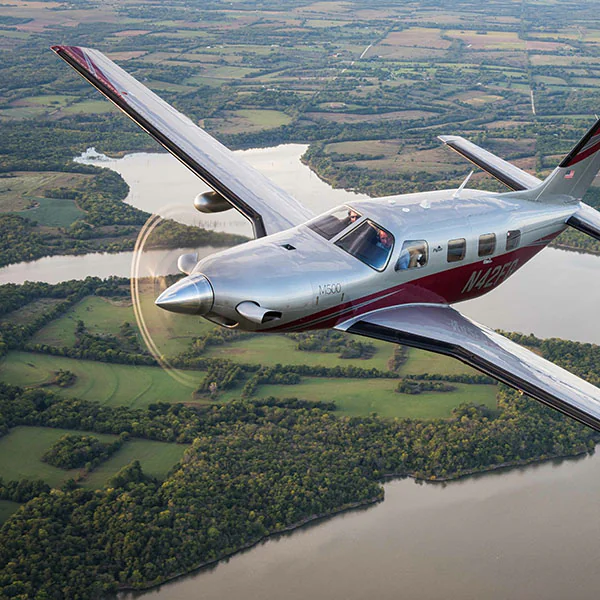
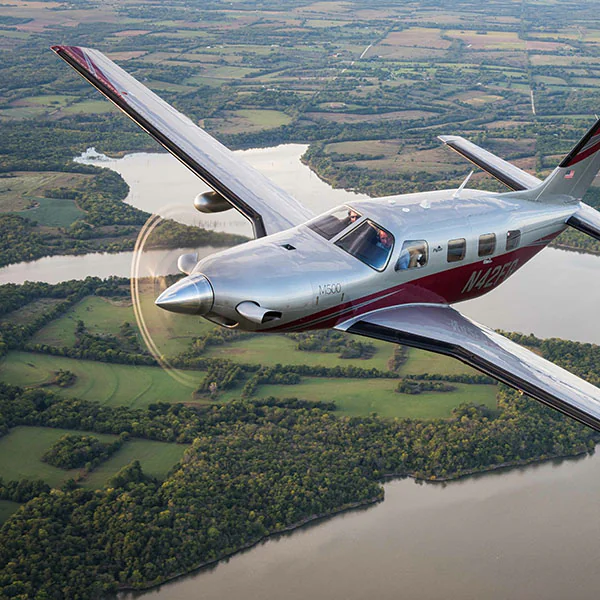
Who is OC1 Aircraft Cleaner 5 l for?
This professional aircraft cleaner was designed for users demanding reliability and high performance under intensive operation conditions. Flight schools and pilot training centres will find it a reliable tool for keeping training fleets in impeccable condition — the 5 l canister ensures the lowest cost per wash while maintaining quality required by aviation regulations. Aviation service centres will appreciate the product's versatility allowing them to clean various aircraft types and the ability to use it with professional equipment like pressure washers or foam systems.
Flying clubs and aeroclubs with shared fleets gain an economical solution for regular maintenance of shared equipment — a professional product available in the hangar standardises maintenance quality and protects shared asset value. Private owners with fleets of several aircraft or business aviation operators can stock their hangar with an economical package that lasts for many months of regular maintenance of all aircraft.
When to use the 5 l aircraft cleaner?
- Daily maintenance – after an intensive day with multiple takeoffs and landings
- Aviation service centre cleaning – during technical inspections as a standard procedure before detailed inspection
- Airshow preparations – when the entire fleet requires intensive aesthetic maintenance in a short time.
- Seasonal maintenance – before the start of flying season after winter storage period
Professional application
Effective scrubbing-free formula means one technician can clean an aircraft in 15 minutes instead of an hour, translating to better fleet availability for operations. The brushless system eliminates micro-scratches that accumulate over years leading to paint dulling and the need for costly coating restoration.
The canister without sprayer offers maximum flexibility for integration with existing cleaning equipment. The product can be transferred to foam washer tanks or used with pressure washers equipped with foam nozzles, utilised in bottles with professional reusable trigger sprayers or integrated with central dosing systems in larger service centres. For smaller operations or detailing work, the agent can be applied traditionally — onto a sponge or soft microfibre cloth and rinsed with water.
| EAN | 4262353190449 |
|---|---|
| Application | Aircraft, Glider, Light aircraft, Helicopter |
| Purpose | Cleaning |
| Suitable for | Plastic, Fairings, Metal parts |
| Key Features | Industrial nanotechnology breaking down dirt at molecular level, safe for all aviation materials used in aircraft construction, brush-free cleaning system eliminating scratch risk, ready to use without dilution |
| Benefits | Economy of scale - 28% savings vs 950 ml bottles; fast cleaning without scrubbing saving staff working time; elimination of coating damage risk; versatility for different construction types |
| What problem does it solve? | High maintenance costs of training and service fleets, time-consuming traditional mechanical cleaning methods, damage risk when cleaning with brushes, need to store many specialised products for different materials |
| Context of use | Daily maintenance of training fleet, cleaning before technical inspections, seasonal preparation before flight season start, maintenance after winter storage, preparation for air shows and rallies, regular service |
| Formula | Ready to use / does not require dilution |
| Product Form | Liquid |
| Capacity (litre) | 5 |
| Efficiency | Approximately 80-100 washes of light aircraft, 120-150 washes of ultralight aircraft |
| Application Temperature | Apply at temperatures between 5°C and 25°C, Do not apply to hot surfaces |
| Storage Temperature | Store at temperatures between 5°C and 30°C |
| Made in | Germany |
| Package dimensions | 19.7 × 15.7 × 24.46 cm |
1. Preparing product for application
Before cleaning, prepare suitable equipment for product application. You can transfer the liquid from the canister into a spray bottle, foam washer tank, pressure washer container with foam attachment, or simply use directly from the canister applying onto a sponge. Make sure the selected application equipment is clean and contains no residues of other chemicals that could react with the formula or reduce its cleaning effectiveness.
2. Applying cleaning agent to surface
Apply product evenly on the surface being cleaned using your chosen method — sprayer, foam washer or sponge. Don't skimp on product for heavily soiled areas like leading edges covered with insect residue or landing gear after landing on grass strips. For very stubborn dirt apply more product and let it work longer, watching to ensure it doesn't dry on the surface during hot days or when working in full sun.
3. Nanotechnology action time
Wait 2-3 minutes allowing active ingredients to break down dirt at molecular level. On colder days, in shade or with particularly stubborn dirt you can extend this time to 4-5 minutes for maximum effectiveness. For training fleets with regular schedules it's worth optimising the process — while one aircraft is in the waiting phase, the technician can apply product to the next one, maximising time efficiency and minimising downtime of the entire fleet during morning maintenance before lessons begin.
4. Optional brush assistance
For exceptionally heavy dirt, especially in hard-to-reach construction areas like flap gaps, panel joints or landing gear elements, you can gently assist with a soft long-bristle brush. Don't press hard — nanotechnology has already done most of the work breaking down dirt. The brush serves only to mechanically remove already loosened dirt from recesses and gaps where rinse water alone might not reach effectively.
5. Rinsing and drying
Rinse the surface with clean water removing dissolved dirt and product residue. You can use a garden hose, pressure washer on low pressure, or simply a bucket of water and sponge. Dry the surface with a soft microfibre cloth for streak-free results, which is especially important before air shows or official inspections.
Important for professional applications
When working with fleet in hangar conditions ensure proper ventilation and water drainage system after washing in accordance with local environmental regulations. Do not use the product on surfaces heated above 40°C — after flight wait minimum 30 minutes for the aircraft to cool down or cool the surface with water before applying cleaning agent. Store the canister at 5-25°C in a closed storage room away from heat sources and direct sunlight, ensuring the lid is always tightly closed to prevent evaporation of active ingredients and contamination from entering the packaging.
Tip for maximising economy
For flight schools and clubs it's worth implementing a standard cleaning procedure after each training day instead of waiting until dirt sets in over several days. Fresh dirt removes much faster and with less product consumption, which over a season translates into measurable savings of both cleaning agent and technical staff working time. Consider keeping product usage records for individual aircraft — this helps identify planes requiring more frequent cleaning or other operational issues manifesting as increased soiling, which may be an early signal of technical faults requiring mechanic attention.
What is the actual product consumption when cleaning a training fleet?
In real training operation conditions, one 5 l canister is enough for approximately 80-100 complete washes of light aircraft like Cessna 152/172 at standard soiling level. For ultralights with smaller fuselage surface you can perform 120-150 washes from one canister. With a fleet of 5 training aircraft washed once weekly, one canister lasts 16-20 weeks, practically the entire active flight season. Actual consumption depends on soiling intensity — aircraft flying through areas with high insect activity or landing on grass strips may require slightly more product.
Can the product be diluted with water to increase efficiency?
We don't recommend diluting the product with water as the formula was designed as ready to use at optimal concentration. Dilution will significantly reduce cleaning effectiveness, extend time needed to remove dirt and may require multiple applications, which will ultimately increase total product consumption instead of reducing it. The only exception may be use in pressure washers with automatic dosing systems where the washer manufacturer specifies dilution ratios — in such case follow washer instructions maintaining recommended concentrate to water proportions.
Can I use the same canister for aircraft and other vehicles?
Yes, although the product is called Aircraft Cleaner and is dedicated to aviation, the formula is identical to other OC1 cleaning agents and works equally effectively on motorcycles, quads, bicycles and other vehicles. Many service centres handling both aircraft and ground vehicles use the same canister to clean all machine types, which simplifies warehouse logistics and eliminates product mix-up risk. For an owner with both a light aircraft and motorcycle or collector car, one 5 l canister serves the entire fleet for a long time with significant savings compared to buying separate specialised products.
How long can an opened canister be safely stored?
An opened canister maintains full effectiveness for minimum 12 months with proper storage — tightly closed, at 5-25°C, away from direct sunlight. To maximise shelf life ensure the lid is always properly tightened after each use, which prevents evaporation of volatile ingredients and contamination ingress. If the product has changed colour, consistency or an unusual smell has appeared, this may indicate ingredient degradation — in such case test effectiveness on a small area before using on the entire aircraft. In practice most service centres and schools use up a canister within 3-6 months, so shelf life rarely poses a problem under regular operation conditions.
Is the product covered by aviation certification?
OC1 Aircraft Cleaner is a chemical cleaning agent, not an aviation component, so it doesn't require EASA Part-21 or FAA PMA certification applied to aircraft parts. The product complies with EU chemical standards and has a safety data sheet compliant with REACH regulation, which is sufficient for use in aircraft technical maintenance. Many AOC operators use this product within approved maintenance procedures, and its use doesn't violate any certification requirements nor affect the aircraft's certificate of airworthiness validity, as it's routine aesthetic maintenance not affecting structural elements or onboard systems.
Can I use the product in an automatic aircraft wash?
Yes, the product is compatible with professional automatic washers used in some larger maintenance centres. However, consult with the washer manufacturer regarding dosing ratios and pumping system compatibility. Most automatic systems require concentrate dilution according to washer specifications — OC1 Aircraft Cleaner can be diluted with water in proportions recommended by the washing equipment manufacturer. We recommend conducting tests on a small area during first use in a new automatic system to verify proper concentration settings and action time ensuring optimal results without needing to run the aircraft through the system multiple times.
Is the product suitable for cleaning helicopters?
Absolutely yes. The product is equally effective on helicopters as on aircraft, safely cleaning all surfaces from fuselage through main rotor and tail rotor to landing gear and engine cowlings. It particularly excels at cleaning rotor blades of stubborn oil contamination and tarry deposits that often accumulate on these elements during operations. Many service centres handling mixed fleets of aircraft and helicopters use the same canister for all machine types, which simplifies maintenance procedures and warehouse logistics without needing to differentiate products for different aircraft categories.
How does the product perform when cleaning gliders?
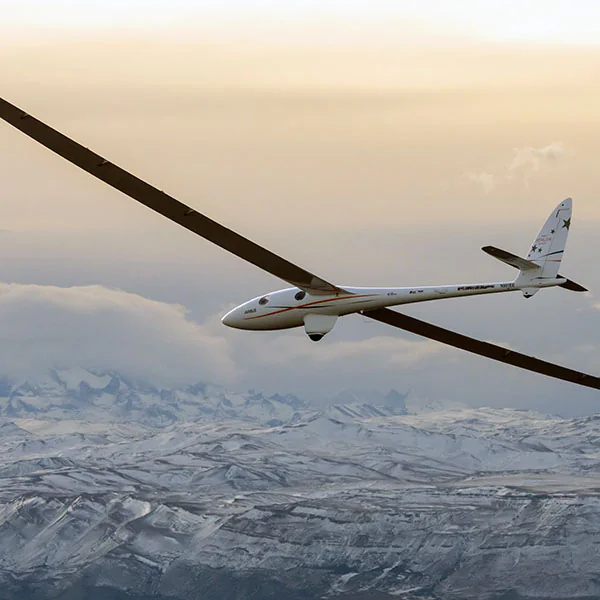
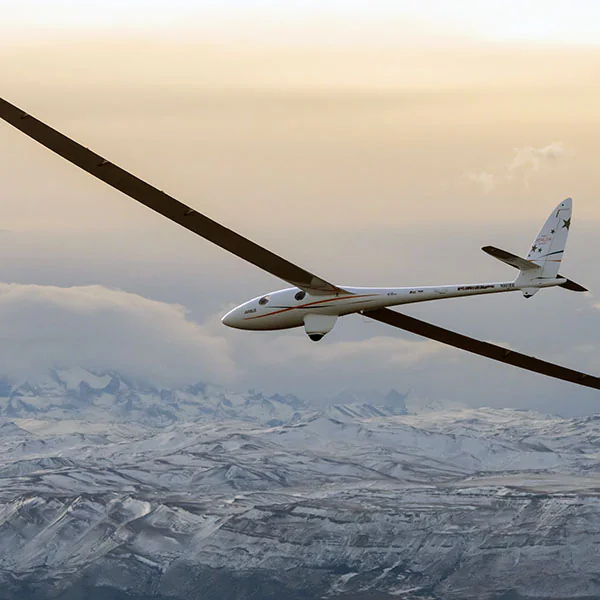
Excellently. Gliders with their large wing surfaces and sensitive composites require gentle cleaning without gelcoat coating damage risk. OC1 Aircraft Cleaner excels at removing insects from long leading edges, cleaning canopy covers and fuselage maintenance without dulling or scratching risk on delicate composite surfaces. The brush-free system is particularly appreciated by glider owners where aerodynamics and surface condition directly affect performance — even microscopic roughness from scrubbing can worsen finesse and reduce glider range.
Can I use the product on cockpit instruments?
The product is safe for glass covers of analog instruments, but we recommend caution when cleaning modern LCD/OLED screens used in glass cockpit avionics. For electronic cockpit displays it's better to use dedicated OC1 Glass Cleaner, which was specially formulated for delicate electronic surfaces. Aircraft Cleaner 5 l is intended mainly for cleaning external aircraft surfaces — fuselage, wings, landing gear and canopy covers. For cleaning cabin interior and cockpit instruments we recommend using products dedicated to these sensitive surfaces to avoid any risk of damage to expensive aviation electronics.
Can the product be used on balloons and airships?
Yes, the product also works well for cleaning hot air balloon envelopes and airships. The formula is safe for nylon, dacron and other technical materials used in balloon construction. Cleaning the balloon envelope before the season or after an intensive flying period helps maintain the material in good condition and extends its lifespan. One 5 l canister lasts several seasons for a single balloon when cleaning once or twice yearly, making this a very economical solution. It works similarly well for cleaning gondolas and balloon baskets made of wicker or aluminium.
Related Products