Product added to cart
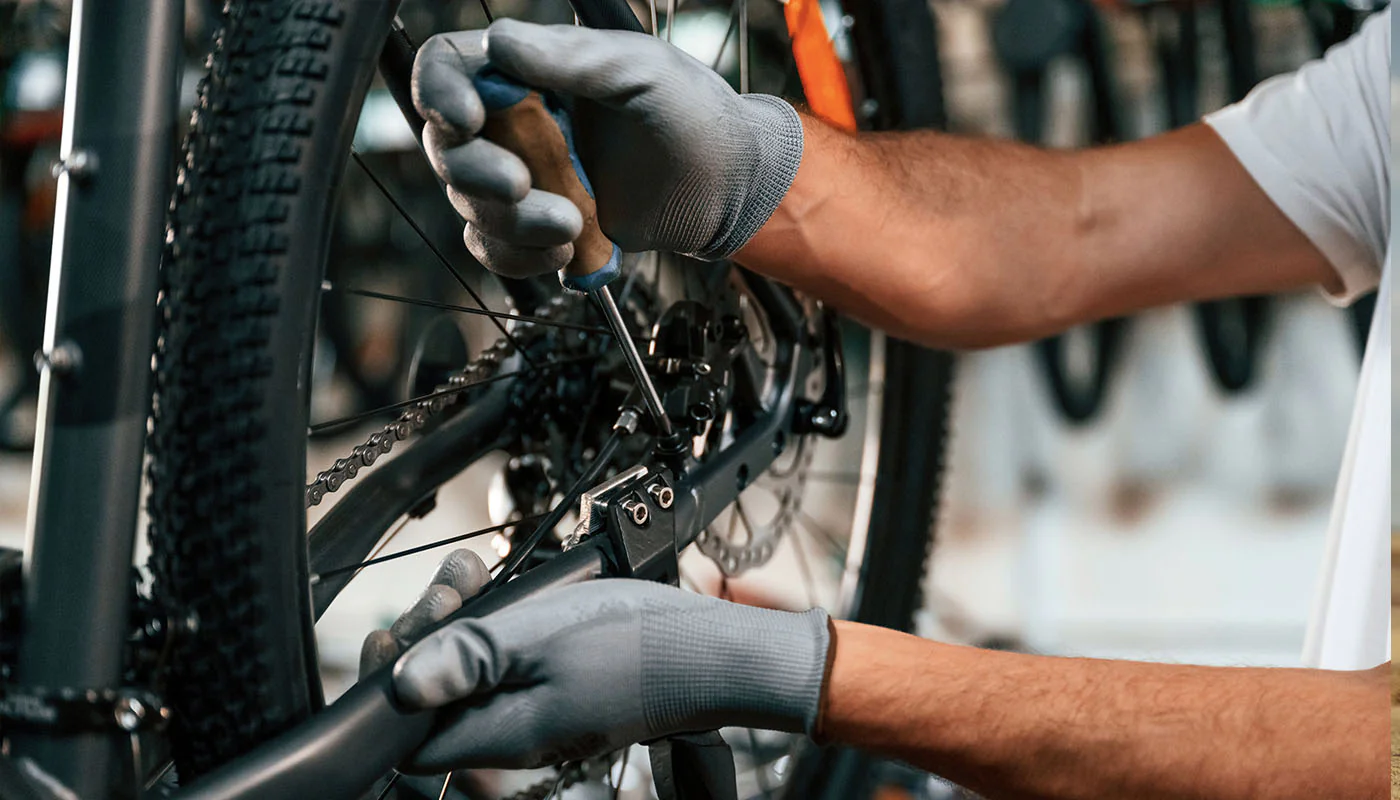
Fixing a puncture somewhere in the middle of a forest trail, adjusting brakes before an important ride, lubricating the chain after a muddy outing — everyone who rides regularly eventually faces the need for DIY maintenance. The right tools mean most tasks can be done at home, without waiting for an available appointment at the service centre. Below you'll find an overview of the most important items worth having in your collection.
Tyre levers — small detail, big difference
Changing an inner tube or tyre without levers is torturous, and sometimes also a path to damaging the rim. These simple, curved tools allow you to remove the tyre from the rim without excessive effort and risk of scratching. It's best to have a set of three — one holds the tyre in one place whilst the other two gradually release its edge from the rim. Choose a plastic model, preferably with rounded tips that won't scratch the rim's finish.
Patch kit — saving the situation on the trail
A puncture on the trail is never pleasant, but with a patch kit you can get back to riding in a few minutes. A standard kit contains self-adhesive patches, sandpaper for preparing the inner tube surface, and vulcanising solution that ensures a durable bond. It's worth checking the glue's expiry date — old or dried-out solution won't provide a seal.
If you ride on a tubeless system, instead of patches it's worth carrying an extra portion of sealant and plugs for larger holes. In such cases, OC1 Tubeless Sealant is a proven solution — it adheres to the entire inner tyre surface and seals effectively. The synthetic latex-based formula contains no ammonia, making it safe for those with allergies.
Allen keys (hex keys) — essential equipment
Allen keys are an absolute essential. Practically every bicycle component — from adjusting saddle height to tightening brake clamps — requires a hex key of some size. The most convenient are sets in penknife form or with a holder, where all sizes are in one place. Look for a set with sizes from 2 mm to 10 mm — this should cover most needs. It's also good to have a separate, long 5 mm or 6 mm key, as these are the most common sizes on a bicycle and prove useful for tightly fastened bolts.
Chain tool — when the chain needs repair
A chain tool allows you to remove and insert links, which is useful when replacing a worn chain, shortening it, or repairing a damaged section. Choose a solid model — cheap versions tend to bend or misalign the pin, resulting in link damage. Better models have special guides that stabilise the chain whilst pushing the pin through.
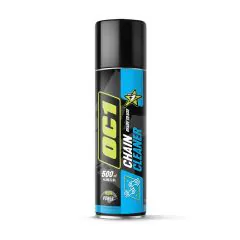
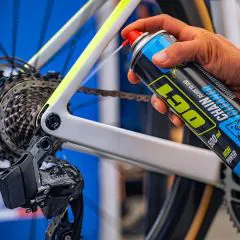
Before fitting a new chain, it's worth thoroughly cleaning the drivetrain. OC1 Chain Cleaner in aerosol form instantly degreases and removes all deposits, dust, and baked-on dirt. This means the new chain begins working on a clean cassette and derailleurs, significantly extending its lifespan.
Bottom bracket tool — access to the drivetrain's centre
The bottom bracket is the part of the bicycle containing the crank bearing mechanism. Bearings occasionally wear out, start squeaking, or develop play. Replacing the bottom bracket requires a special tool — its design depends on the type of bottom bracket in your bike (e.g. square taper for Shimano Hollowtech II, Octalink, BSA). If you're unsure which tool model will fit, it's best to check before purchasing or have access to a workshop with a wide selection of tools.
Cleaning and maintenance products — the heart of bicycle upkeep
Mechanical tools are half the success. The other half is appropriate cleaning and lubrication products that extend the lifespan of all components.
Bike cleaner
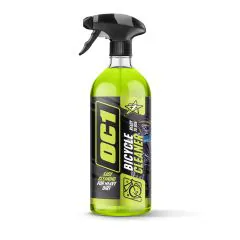
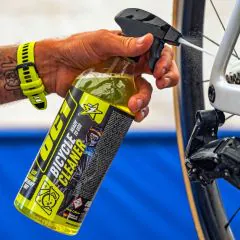
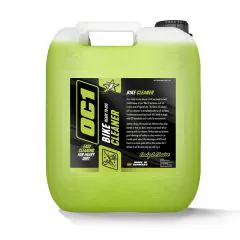
A regularly clean bike isn't just about aesthetics — it's primarily protection against premature wear. Dirt, sand, and deposits shorten the life of chains, cassettes, and derailleurs by up to half. A product like OC1 Bike Cleaner in the 2-in-1 trigger version means cleaning doesn't require hours of scrubbing. Simply saturate the bike with foam, wait a few minutes, and rinse with a stream of water. The formula is pH neutral and safe for all materials — paintwork, carbon, aluminium, plastic, and rubber. Importantly, it doesn't damage seals or rubber components, so it can be used regularly without concern.
Chain lubricant
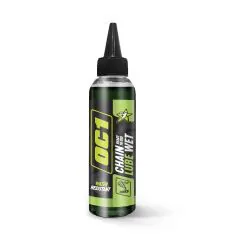
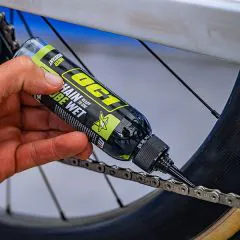
A well-lubricated chain is the key to smooth riding. Without an appropriate protective layer, metal grinds against metal, accelerating wear and causing unpleasant clicking and grinding. Lubricant choice depends on riding conditions. For dry, dusty routes, Chain Lube Dry or Chain Lube Wax work well — formulas that don't attract dust and create a thin, dry protective layer. For more challenging conditions — rain, mud, wet forest trails — Chain Lube Wet is a better solution, creating a durable layer resistant to water washout.
The application technique is simple: first clean the chain, then apply one drop of lubricant to each roller. After several crank rotations, the lubricant spreads, and excess is wiped away with a clean cloth. Regular lubrication reduces cassette and derailleur wear by up to 70%, which in practice means several hundred pounds in savings annually.
Cable cutters — precision matters
Replacing brake or gear cables requires a clean, even cut. Ordinary pliers or scissors often crush the end, separate the wires, or damage the cable housing. A specialist cutter provides a straight, smooth cut, meaning the cable enters sleeves easily and doesn't cause friction. It's also good to have a supply of aluminium end caps, which are fitted to the cut cable end to prevent fraying during use.
Chain whip and cassette tool — for home repair enthusiasts
If you want to replace a cassette yourself, you need two tools: a cassette tool and a chain whip. The cassette tool tightens or loosens the lockring, whilst the chain whip — wrapped around the largest sprocket — holds the cassette in place during removal. This is a slightly more advanced operation, but achievable at home. Removing the cassette also allows deep cleaning of the spaces between sprockets, where the most contamination accumulates.
Spoke key — straightening wheels
A spoke key enables adjustment of individual spoke tension in the wheel. It's useful when the wheel starts to wobble — meaning during rotation you can see the rim wavering side to side or up and down. Fixing a buckle requires practice, but minor corrections can be made yourself. It's important that the key fits the spoke nipples on your bike — different manufacturers use different sizes.
How to care for your tools
Tools need care too. Keys, levers, pliers, and other metal items are worth wiping occasionally with a cloth and a little universal maintenance product. A product like OC1 Multifunction Spray displaces moisture, prevents rust formation, and leaves a protective layer. Store tools in a dry place, preferably in a tool bag or box where they won't be exposed to moisture. Moving parts — such as cutter joints or springs in chain tools — are also worth lightly lubricating occasionally to keep them operating smoothly.
Summary
A set of basic bicycle maintenance tools is an investment that pays back quickly. Changing an inner tube, cleaning, lubricating, minor adjustments — all of this can be done at home in a matter of minutes. You don't need to be a mechanic to keep your bike in excellent condition. The right tools, a little practice, and consistency are all it takes. And when you add good cleaning and maintenance products, your bike will repay you with years of reliable riding.