Product added to cart
Not every situation allows a classic motorcycle wash with a hose, sponge and shampoo. A block of flats with no outside tap, winter in the garage, the paddock or a bike meet - water is then either unavailable or unsuitable, while dust and fingerprints appear whatever the circumstances.
The answer is cleaning without water, also known as waterless cleaning. The right product and a few microfibre cloths make it possible to freshen up a motorcycle in a quarter of an hour or so. The method does have its limits, though, and it does not replace a full wash after riding in mud.
Once sprayed onto the surface, the product's ingredients dissolve greasy deposits and surround dust particles, which reduces their friction against the paint. The microfibre picks up the dirt together with the product, and no rinsing is needed.
Good products of this type also finish the surface: paint and plastics regain depth of colour, and fine scratches become less visible.
The method is intended for light dirt. It works best where a full wash is impossible, awkward or unnecessary:
Dry cleaning has one fundamental limit: the amount of dirt. A thick layer of mud, sand, dried clay or brake pad dust contains hard particles that the product cannot safely bind. Wiping such a surface works like sandpaper and leaves micro-scratches.
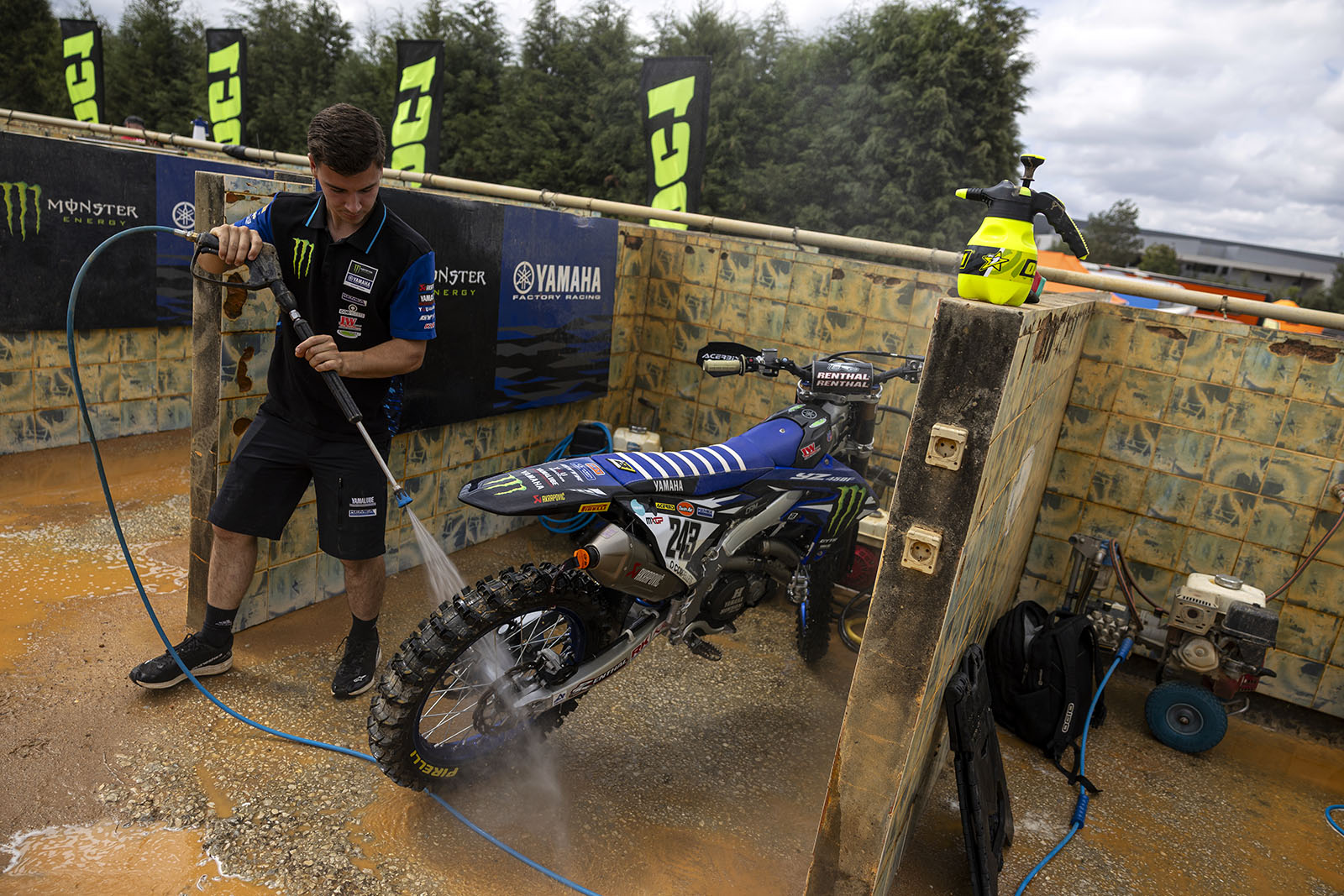
In such cases the right choice is a full wash with a dedicated product, for example OC1 Motorcycle Cleaner for road motorcycles or OC1 Offroad Cleaner for off-road machines. The full process is described in the guide on how to clean a motorcycle after riding in mud.
| Criterion | Waterless washing | Washing with water |
|---|---|---|
| Type of dirt | dust, fingerprints, light road grime, water marks | mud, sand, clay, grease, a thick layer of insects |
| Place | garage, workshop, paddock, car park | car wash, yard with a drain |
| Time | approx. 10–20 min | approx. 30–60 min including drying |
| Accessories | product and 3–4 microfibre cloths | cleaning product, water, sponge, towels |
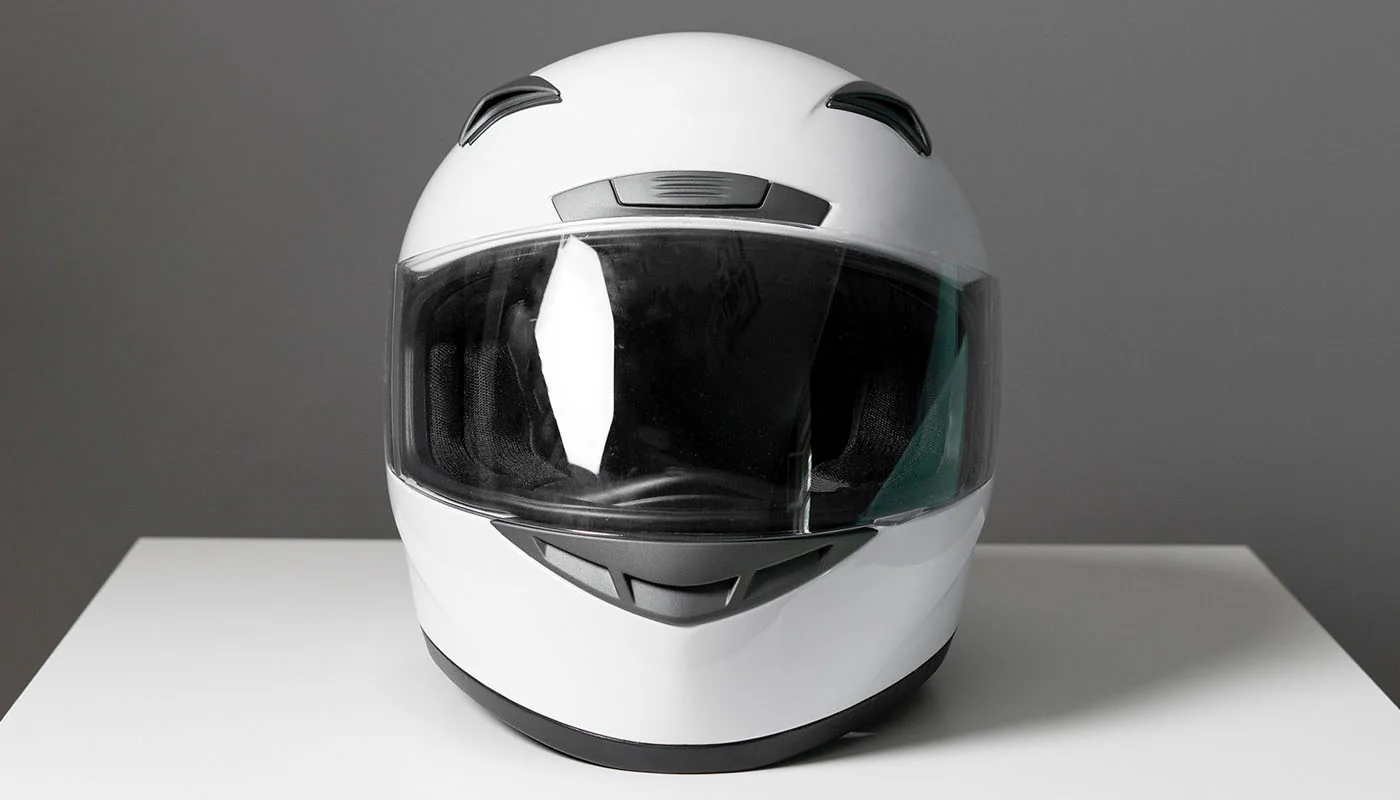
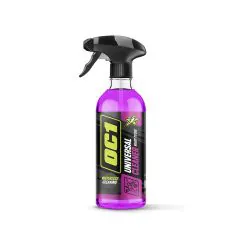
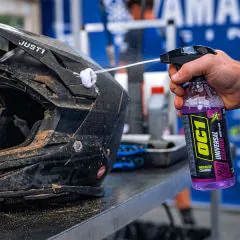
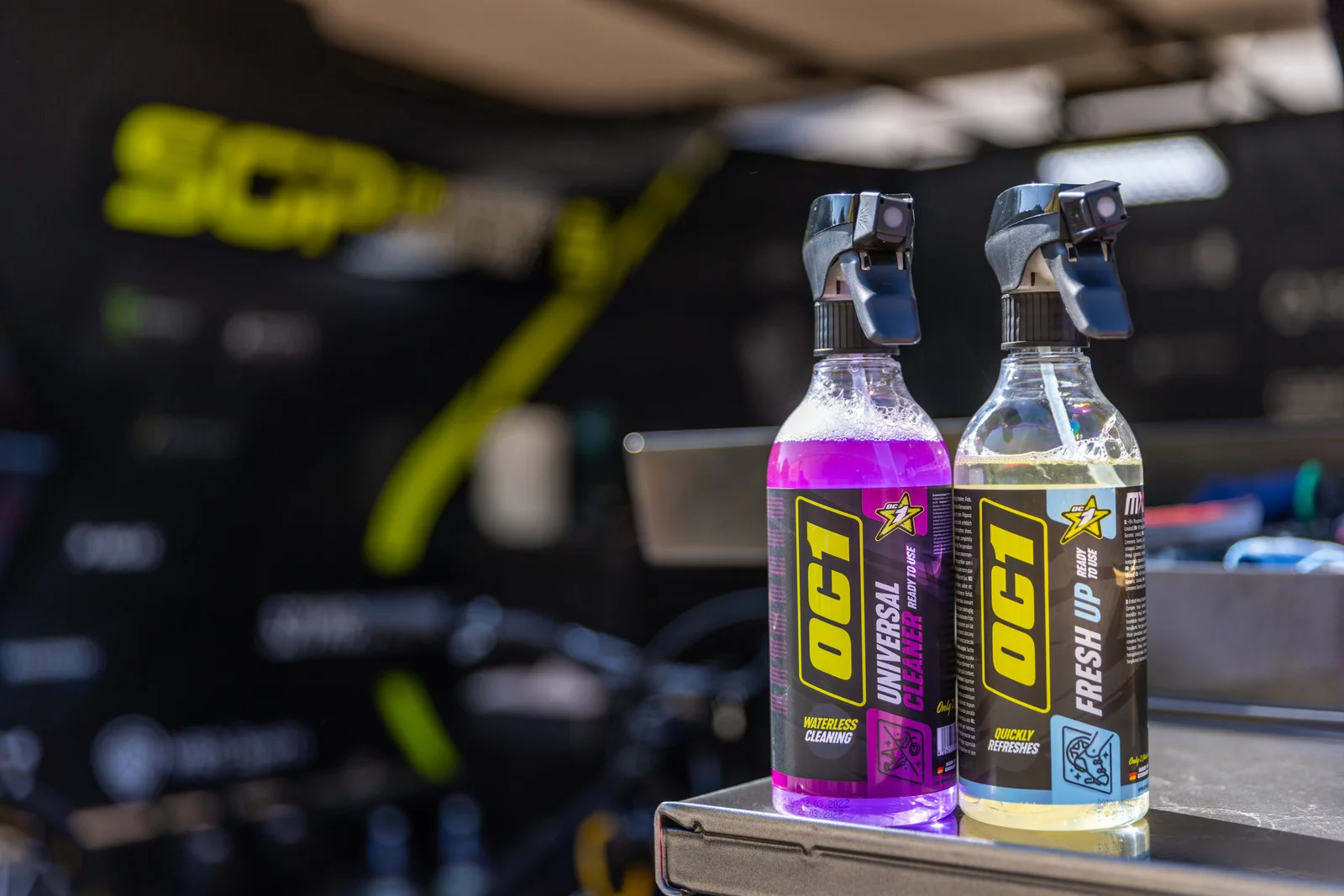
Universal products are designed for most smooth exterior surfaces. For OC1 Universal Cleaner the manufacturer lists painted bodywork, fairings and plastics, metal and anodised parts, carbon and helmets. The product also works well for looking after bicycles and scooters.
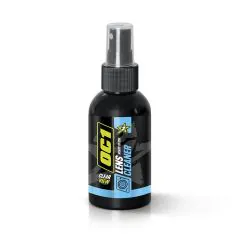
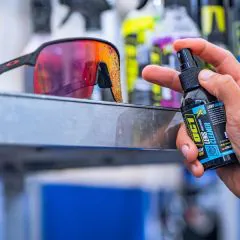
A few areas need a separate approach. Brake discs and pads and the tyre tread should not come into contact with any care product, because their job is to provide grip. Matt paint and protective films are worth testing first in an inconspicuous spot. A visor with an anti-fog or anti-reflective coating is safest cleaned with the dedicated OC1 Lens Cleaner - the details are in the guide on how to clean a motorcycle visor without scratches or streaks.
The result depends on the surface temperature, clean cloths and working in small sections. The description follows the recommendations of the OC1 Universal Cleaner manufacturer.
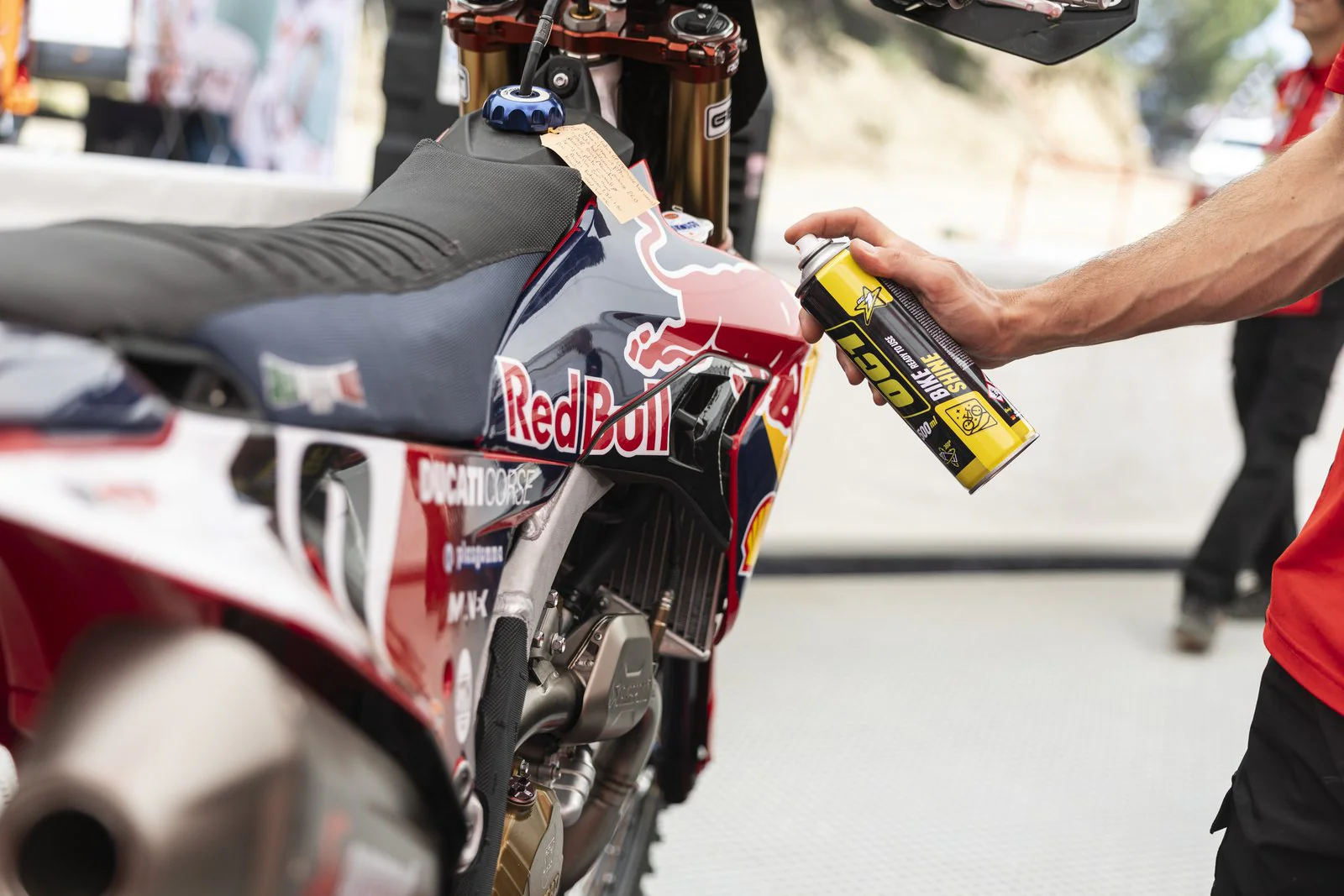
The motorcycle should stand in the shade or indoors, and its surfaces must be cool. The product is not applied to a hot engine, exhaust or sun-heated paint, and the recommended temperature range is 5–25 °C. To clean the whole motorcycle, 3–4 clean microfibre cloths come in handy: some for picking up dirt and at least one for the final buff.
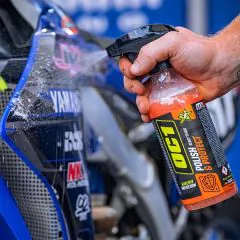
The bottle should be shaken, and the product then sprayed from a distance of about 20 cm onto a section of roughly 50 × 50 cm. The sprayer lets you choose between foam and liquid - foam stays better on vertical fairings, liquid reaches into tight spots more easily. The product needs 10–20 seconds to dissolve the dirt, and on stubborn stains this time can be extended to 30–60 seconds.
The dirt is picked up with strokes in one direction, without pressing and without circular scrubbing. When one side of the cloth is visibly dirty, it should be turned to a clean side.
The last stage is done with a second, dry microfibre cloth. Light buffing removes product residue and brings out the gloss. Any streaks, visible against the light, are removed by wiping again with a clean side of the cloth. The parts are best cleaned from the top down: from the screen, tank and fairings to the lowest components.
Most problems with dry cleaning come from a few recurring mistakes:
Tap water contains dissolved calcium and magnesium salts. When drops dry on paint or a screen, the minerals stay behind as dull spots, especially visible on dark colours and chrome.
Removing water marks is one of the main uses of OC1 Universal Cleaner. Simply spray the product onto the spots, wait a few seconds and wipe the surface with a microfibre cloth. To reduce water marks, it is worth drying the motorcycle straight after washing instead of leaving it to dry in the sun. Longer-lasting protection for the paint after a full wash is provided by a protective product, described in the guide on how to protect a motorcycle after washing.
OC1 Universal Cleaner is a waterless care product made in Germany. It works straight away, needs no diluting or rinsing, brings out colour, masks fine scratches and leaves a pleasant scent. The 450 ml bottle with a 2-in-1 sprayer fits in a top box or a toolbox, and the same product works on a motorcycle, bicycle, scooter and helmet.
Below are answers to the questions that come up most often when cleaning a motorcycle without water.
With light dirt, a clean microfibre cloth and no pressure, the risk is small. Scratches are caused mainly by sand, mud or a dirty cloth.
Yes, ideally in a heated garage, because the manufacturer of OC1 Universal Cleaner recommends a temperature of 5–25 °C. A cold motorcycle is best brought into a warm room first and left until its parts have warmed up.
No. It is a method for routine care and quick freshening up. After riding in rain, mud or off-road, a motorcycle needs a full wash with water and a suitable cleaning product.
Cleaning a motorcycle without water is a practical way to keep the machine looking good between full washes - in the garage, in the paddock, at a bike meet and all winter long. Three rules decide a good result: using the method only on light dirt, working on a cool surface and clean microfibre cloths.
OC1 Universal Cleaner removes dust, fingerprints and hard water marks without reaching for a bucket and hose, so regular care takes a quarter of an hour or so - in season and out of it.