Product added to cart
Motorcycle types - how to choose the right one for you?
Choosing a first motorcycle or changing to a different type is a decision that should be conscious and considered. Motorcycles differ not only in appearance but, above all, in character, purpose, and the riding style they offer. A sporty naked bike is an entirely different experience from a cruiser, and a touring motorcycle provides comfort unavailable to an off-road machine. Understanding the differences between motorcycle types helps make a choice that truly matches individual needs, lifestyle, and expectations of the machine.
Sport bikes — adrenaline and precision
Sport bikes are machines created with maximum performance in mind. They're characterised by aggressive, streamlined silhouettes, powerful high-revving engines, and advanced electronics supporting riding. The rider's position is leant forward, with footpegs placed high — this posture is optimal for aerodynamics and control during dynamic riding, but less comfortable in everyday use.
Who are sport bikes for?
Sports machines are aimed at those who value precise handling, instant response to throttle and brake, and exhilarating acceleration. This is the natural environment for young motorcyclists seeking thrills, experienced riders who frequent race circuits, and everyone who treats riding as a form of sporting competition.
Modern sport bikes are equipped with advanced safety systems — traction control, ABS, riding modes, quickshifters enabling gear changes without using the clutch. Aerodynamic fairings and composite materials mean machines are not only fast but also light and agile. Engines from 600 cc to over 1000 cc offer power exceeding 200 bhp in top models — truly breathtaking figures.
Disadvantages and limitations
The sporty character comes at a price. The forward-leaning position strains wrists, shoulders, and spine — during long routes, discomfort can be significant. Stiffer suspension optimised for track use means riding on potholed city streets can be unpleasant. Fuel disappears quickly, and insurance and servicing costs for sports machines are among the highest in the category. These are demanding motorcycles, impractical for daily use, but offering unique thrills.
Cruisers — style and relaxed riding
Cruisers are motorcycles synonymous with freedom, style, and the characteristic deep sound of V-twin engines. A low-set saddle, wide handlebars, feet extended forward — this position is ideal for relaxed riding on roads and motorways. Cruisers are icons of American motorcycle culture, though today European and Japanese brands produce them too.
Cruiser characteristics
Cruisers prioritise torque over maximum power. Large-capacity engines (often exceeding 1200 cc) deliver mighty thrust from low revs — a feeling of smooth acceleration without needing to rev the engine high. Riding is calm, majestic, almost meditative. These are machines for covering long, straight stretches where the pleasure of riding itself matters, not dynamics or sporting performance.
Visually, cruisers present impressively — chrome details, massive engines exposed in the frame, classic lines. Custom models are often further personalised by owners, creating unique works on wheels. Leather saddles, panniers, and accessories emphasise the classic character and practicality during longer trips.
Who are cruisers for?
Cruisers are the choice for motorcyclists who value style, comfort, and character over sporting performance. They work brilliantly during weekend trips, rides along scenic routes, or motorcycle meets. For many owners, a cruiser isn't merely transport but an element of lifestyle and a manifestation of personality. It's worth remembering, however, that high mass and low centre of gravity mean manoeuvring in car parks or urban traffic can be demanding.
Touring motorcycles — comfort over long distances
Touring motorcycles are a category created with covering hundreds of kilometres daily in maximum comfort in mind. Large, fully-faired machines with spacious seats for rider and passenger, capacious panniers, advanced electronics, and rider assistance systems — this category is for those who treat a motorcycle as a tool for discovering the world.
What distinguishes touring motorcycles?
Comfort is the priority. Wide, ergonomic seats ensure comfort even during multi-hour riding. Adjustable screens protect against wind, rain, and fatigue. Powerful, large-capacity engines (often exceeding 1000 cc) offer smooth power delivery and surplus power needed for safe overtaking even with a passenger and full luggage.
Modern touring motorcycles are technologically advanced machines. Cruise control, heated grips, adjustable suspension, navigation systems integrated with the cockpit, Bluetooth connectivity, and even lane-keeping assistants — these are standard in top models. Side and top panniers offer space comparable to a small car, and their ergonomics make packing and unpacking quick and convenient.
Limitations
Mass is the greatest challenge — touring motorcycles often weigh over 300 kg, making them unmanoeuvrable in cities and demanding during stationary manoeuvres. Prices are also among the highest, both for purchase and servicing. But for those planning regular, long motorcycle expeditions — often with a passenger — touring is an irreplaceable tool.
Standard motorcycles — everyday versatility
Standard motorcycles (naked, roadster, all-rounder) are the most versatile category. They're characterised by neutral seating position, moderate power, lack of full fairings, and versatility allowing comfortable use both in the city and on longer routes.
Why are standards popular?
Versatility is the greatest advantage. The neutral position — neither sportily leant nor relaxed — means riding is comfortable during both short commutes and several-hour trips. Engines from 250 cc to 900 cc offer sufficient power for dynamic riding without excessive fuel consumption or running costs.
Standard motorcycles are usually lighter and more agile than touring bikes or cruisers, making them friendly in urban traffic. Simultaneously, they offer more comfort than sports machines. Running, insurance, and servicing costs are among the lowest in the category, making them an excellent choice for beginner motorcyclists and those seeking reliable, everyday transport.
Who are standards for?
Standard motorcycles are the ideal first machine for those beginning their motorcycling adventure. They forgive mistakes, are predictable, and don't overwhelm with power. They work equally well as a second motorcycle for experienced riders who need a practical machine for daily use. This is a category where it's difficult to make a wrong choice.
Adventure motorcycles (dual-sport) — anywhere, anytime
Adventure motorcycles are a category combining features of touring and off-road machines. High suspension, long shock absorber travel, fairings protecting against wind, capacious panniers, and versatile tyres — these are machines created for covering thousands of kilometres on both tarmac and gravel roads.
Adventure characteristics
Adventure motorcycles are for adventure seekers. Engines from 650 cc to over 1200 cc offer power sufficient for comfortable motorway riding with full luggage, but also the torque needed off-road. A high seating position provides excellent visibility and machine control, whilst long-travel suspension absorbs irregularities on both country roads and potholed city streets.
Modern adventure motorcycles are equipped with advanced electronics — riding modes adapted to surface (tarmac, gravel, mud, sand), disengageable rear wheel traction control (useful off-road), ABS with rear wheel deactivation option, and hill start and descent assist. These are machines ready for any challenge.
Limitations
Seat height can be problematic for shorter riders — touching the ground with feet when stationary can be difficult. Mass exceeding 200 kg means adventure bikes are demanding in extreme terrain — these aren't light enduros but heavy touring machines capable of off-road riding. Costs are also considerable, both for purchase and for equipping with protective plastics, crash bars, and luggage systems.
Naked bikes — the essence of a motorcycle
Naked bikes are motorcycles stripped of full fairings, with exposed engines and frames. It's a philosophy of minimalism — nothing superfluous, just the essence of two wheels, an engine, and a rider. They're characterised by sporty dynamics, aggressive appearance, and direct, almost raw riding experience.
Why do naked bikes fascinate?
Naked bikes offer sporty dynamics without the discomfort of fully-faired sports machines. The seating position is more upright, making riding comfortable in the city too. The lack of fairings means fully experiencing the wind and speed — an experience more direct, more intense than on fully-faired machines.
Engines from 600 cc to over 1000 cc offer sporting performance — rapid acceleration, high top speed, instant throttle response. Light construction and agility make naked bikes among the most entertaining motorcycles in urban traffic and on winding mountain roads. This category is for those who value pure riding joy over practicality or comfort.
Who are naked bikes for?
Naked bikes are the choice for experienced motorcyclists seeking thrills and character. They work brilliantly as a second or third motorcycle, complementing a more practical touring or standard machine. They're also a good option for those who've fallen in love with sporty riding but want slightly more comfort and versatility than fully-faired sports machines offer.
How to make the right choice
Choosing a motorcycle is an individual decision, dependent on many factors. Key questions worth asking yourself are: what purpose will I be riding for? How far and how often? Do I plan to carry a passenger? What's my budget — not only for purchase but also for insurance, fuel, and servicing?
A test ride is an absolute necessity. Even the best descriptions won't replace the personal experience of sitting on a machine, feeling its weight, seating position, and engine character. Most dealerships offer test ride opportunities — it's worth taking advantage, trying several different motorcycle types.
It's also worth speaking with other motorcyclists, reading reviews and internet forums, but remembering that opinions are subjective. What's comfortable for one person may be uncomfortable for another. What one considers sporty and dynamic, another may find too aggressive. The key is finding a machine that matches your own temperament, needs, and expectations.
Motorcycle care and maintenance
Regardless of motorcycle type, regular maintenance is key to longevity and reliability. A motorcycle requires more attention than a car — components are more exposed to weather conditions, and mechanics work more intensively. Basic tasks include regular technical inspections, oil and filter changes, monitoring tyre, chain, and brake condition, and keeping things clean.
Motorcycle cleaning
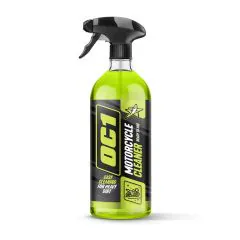
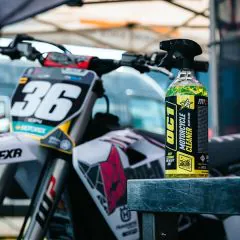
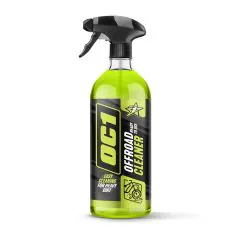
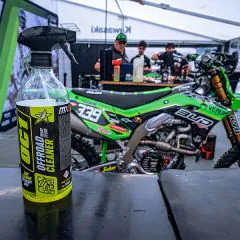
Regular cleaning isn't just about aesthetics but, above all, protection against corrosion and extending component lifespan. Dust, mud, road salt, insect traces — all of this settles on the motorcycle and gradually destroys paintwork, plastics, and metal. For cleaning road motorcycles, OC1 Motorcycle Cleaner works ideally — a high-performance product removing road grime, oil stains, and insect traces. For off-road motorcycles that contend with mud and terrain contamination, OC1 Offroad Cleaner is dedicated. Both products are safe for all motorcycle parts and work quickly without scrubbing.
Drivetrain maintenance
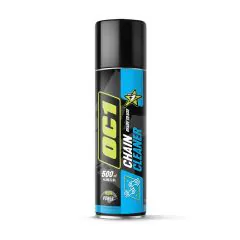
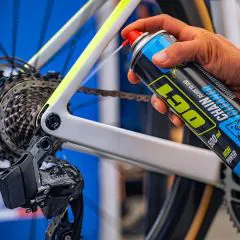
The chain is a component requiring regular attention. A dirty, dry chain wears many times faster and destroys sprockets. OC1 Chain Cleaner effectively removes deposits, dust, and baked-on dirt, restoring full drivetrain efficiency. After cleaning, lubrication is necessary — OC1 Chain Lube, specially designed for motorcycles, protects against water, mud, and corrosion, leaving a long-lasting protective coating. For cruiser owners with chrome elements and leather saddles, OC1 Leather Cleaner provides cleaning and conditioning of leather, maintaining its flexibility and appearance for years.
Summary
Choosing the right motorcycle type is the foundation of riding satisfaction. Sport bikes offer maximum thrills and precision, cruisers — style and relaxation, touring — comfort over long distances, standards — versatility, adventure — all-round capability, and naked bikes — pure riding joy. The key is consciously matching the machine to individual needs, lifestyle, and expectations. Remember that every type requires appropriate care — a clean, well-maintained motorcycle lasts longer, rides better, and retains its value.